

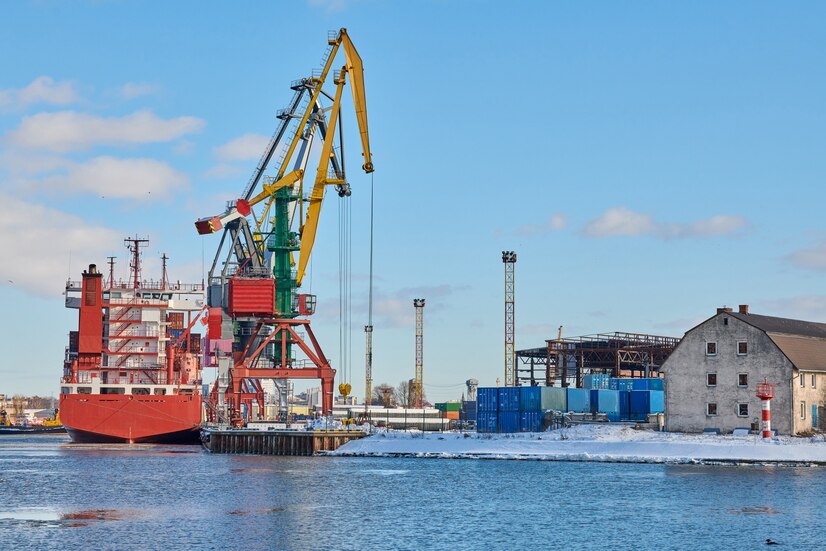
In the dynamic world of logistics, where speed, efficiency, and cost management are paramount, cross docking has emerged as a game-changing strategy. By minimizing storage time and expediting the transfer of goods from suppliers to customers, cross docking significantly enhances supply chain operations. This article delves into the nuances of cross docking, with a special focus on its application in Los Angeles, a hub of international trade and logistics. Whether you’re a seasoned logistics professional or a business owner exploring new distribution strategies, this guide offers valuable insights into the benefits, processes, and key players in the cross docking industry.
Table of Contents
What Is Cross Docking?
Cross docking is a logistics strategy where inbound goods are directly transferred to outbound transportation with minimal or no storage time in between. Unlike traditional warehousing, where products may be stored for days or weeks before distribution, cross docking facilitates almost immediate shipment.
Key Features of Cross Docking:
- Reduced Handling Time: Products are moved quickly from receiving to shipping areas.
- Lower Inventory Costs: Minimal storage means less capital tied up in inventory.
- Enhanced Delivery Speed: Goods are dispatched faster, leading to shorter lead times.
For businesses looking to enhance their distribution strategies, cross docking offers a streamlined approach that reduces inefficiencies and costs. Learn more about how a cross dock warehouse can transform your logistics operations.
Why Los Angeles Is a Cross Docking Hotspot
Los Angeles holds a strategic position in global trade. Home to the Ports of Los Angeles and Long Beach, the city serves as a primary gateway for goods entering and exiting the United States. Additionally, Los Angeles boasts an extensive network of highways, railways, and air freight facilities, making it an ideal location for cross docking operations.
Key Advantages of Cross Docking in Los Angeles:
- Proximity to Major Ports: The city’s ports handle nearly 40% of all containerized imports in the U.S., providing direct access to international markets.
- Transportation Infrastructure: A robust network of highways, railroads, and air freight facilities ensures seamless movement of goods.
- Large Consumer Market: Los Angeles is a gateway to the lucrative West Coast market, offering opportunities for faster delivery to millions of consumers.
For businesses in Los Angeles, leveraging cross docking los angeles services can lead to significant time and cost savings.
Benefits of Cross Docking
Implementing a cross docking strategy offers numerous advantages, including:
1. Reduced Storage Costs
With minimal need for warehousing, businesses can save on storage expenses, including rent, utilities, and labor.
2. Improved Delivery Times
By eliminating lengthy storage periods, cross docking ensures faster delivery to end customers, enhancing satisfaction and loyalty.
3. Optimized Inventory Management
Cross docking reduces the need for large inventories, minimizing the risk of overstocking or obsolescence.
4. Enhanced Operational Efficiency
Consolidating shipments through cross docking allows for fuller truckloads, reducing transportation costs and environmental impact.
How Cross Docking Works
The cross docking process involves several key steps:
Step 1: Receiving Goods
Inbound shipments are received at the cross dock facility. Products are unloaded, sorted, and prepared for outbound shipment.
Step 2: Sorting and Consolidation
Products are grouped based on their final destinations. Consolidation helps optimize space and reduces transportation costs.
Step 3: Outbound Shipment
Goods are loaded onto outbound trucks or other transport modes and dispatched to their final destinations. This process is often completed within 24 hours.
Leading Cross Docking Facilities in Los Angeles
Numerous facilities in Los Angeles specialize in cross docking, offering tailored solutions to meet diverse business needs. Here are some of the most prominent:
1. FreightBox
FreightBox, located in Fontana, CA, is a trusted provider of cross docking services. Their facility offers reloading, consolidation, and short-term storage solutions designed to streamline supply chains. Learn more about their services at cross docking los angeles.
2. Omni Logistics
Omni Logistics operates a state-of-the-art facility near Los Angeles International Airport. Their services include imports, exports, and time-critical transportation.
3. Lineage Logistics
Lineage provides advanced cross docking solutions, including temperature-controlled options for perishable goods. Their facilities are strategically located near major transportation hubs.
4. L.A. Grain
Specializing in transloading and cross docking, L.A. Grain’s facilities near the ports of Los Angeles and Long Beach cater to a wide range of commodities.
Challenges and Solutions in Cross Docking
While cross docking offers numerous benefits, its implementation can be challenging. Here’s how businesses can overcome common obstacles:
1. Supplier Coordination
Ensuring timely delivery from suppliers is critical. Establishing strong partnerships and clear communication channels can mitigate delays.
2. Transportation Synchronization
Aligning inbound and outbound schedules is essential to avoid bottlenecks. Advanced scheduling software can help streamline this process.
3. Technology Integration
Investing in a robust warehouse management system (WMS) can enhance visibility and efficiency in the cross docking process.
The Role of Technology in Cross Docking
Modern technology plays a pivotal role in optimizing cross docking operations. Here are some key technological tools:
1. Warehouse Management Systems (WMS)
WMS platforms enable real-time tracking of goods, improving inventory accuracy and operational efficiency.
2. Automated Sorting Systems
Automated systems reduce manual labor and accelerate the sorting process, ensuring faster turnaround times.
3. Data Analytics
Analytics tools provide insights into operational performance, helping businesses identify areas for improvement.
Sustainability and Cross Docking
In addition to its operational benefits, cross docking contributes to sustainability by:
- Reducing Carbon Emissions: Consolidated shipments mean fewer trips, lowering the carbon footprint.
- Minimizing Waste: Reduced storage needs result in less packaging waste.
Businesses aiming to enhance their sustainability initiatives can benefit from adopting cross docking practices.
Read Also: Understanding Solar Innovations: Bifacial Solar Panels and RV Solar Panels
Conclusion
Cross docking in Los Angeles is revolutionizing the logistics landscape. By reducing storage times, cutting costs, and expediting delivery, this strategy offers a competitive edge for businesses across industries. With its strategic location and robust infrastructure, Los Angeles is an ideal hub for cross docking operations.
For businesses looking to optimize their supply chains, partnering with established providers like FreightBox can ensure seamless and efficient logistics. Whether you’re exploring cross docking for the first time or seeking to refine your current strategy, Los Angeles offers unparalleled opportunities for growth and efficiency.