

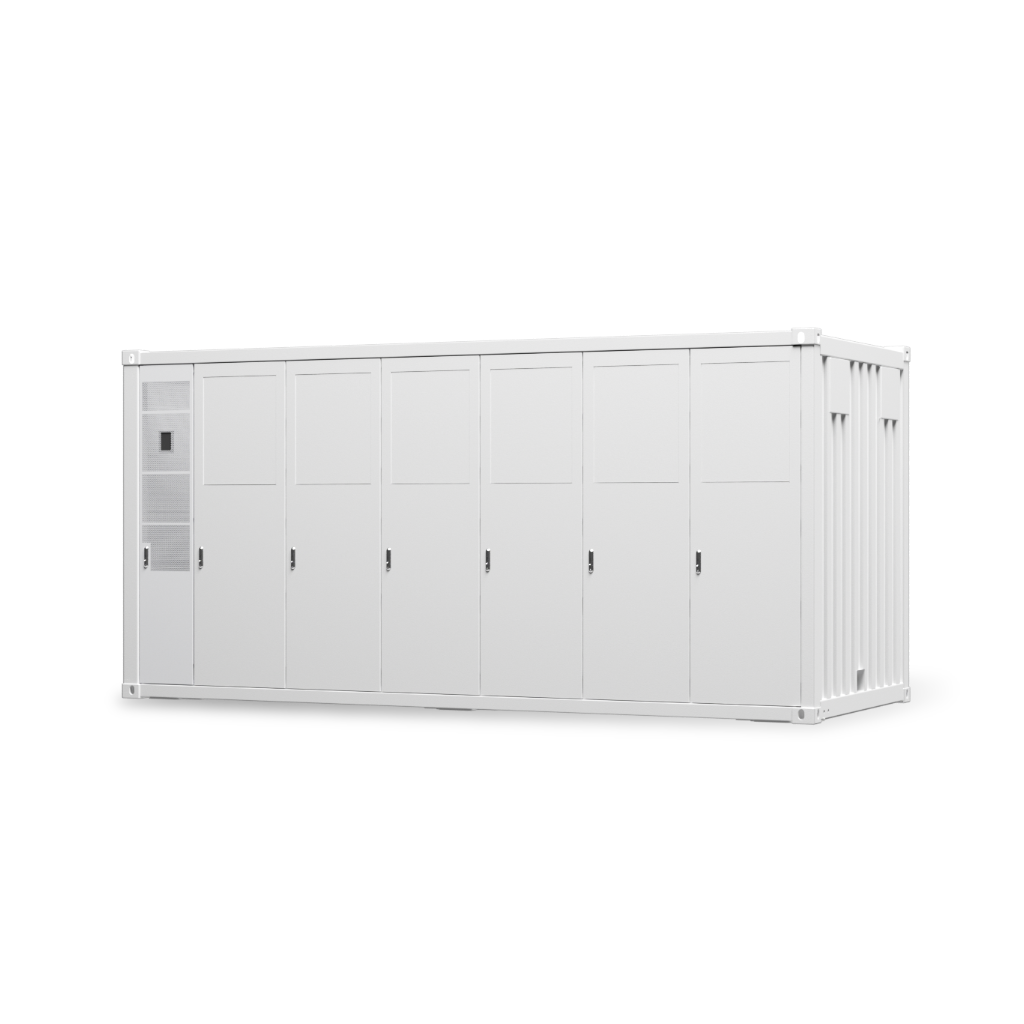
For a property planning modular storage capacity, equipment decisions must follow the required service and the conditions of the actual site. Solar battery storage captures part of the electricity produced during sunny periods and makes it available for later consumption or selected backup functions. The FusionSolar storage portfolio includes LUNA2000 smart string battery systems that pair with compatible energy controllers and household monitoring. In this context, solar battery storage brings together specific components and controls rather than a single isolated device.
Modular storage allows installers to select usable energy that better matches the household profile and compatible product limits. Equipment ratings, control policies and the responsibilities of the operating team should therefore be aligned before commissioning. A design assumption should be documented when it cannot yet be confirmed by measurements.
Table of Contents
Battery and conversion architecture
The LUNA2000 S1 product family offers combinations of 5 kWh and approximately 6.9 kWh battery modules in supported configurations. Usable energy, charge power and scalability vary by selected system and should be read from the model-specific specification.
Lithium iron phosphate battery chemistry and pack-level monitoring are used within the LUNA2000 residential portfolio. The protection design should be assessed together with installation conditions, protective clearances and the home’s electrical configuration.
Energy shifting and control
A controller may charge the battery when PV production exceeds local demand and discharge later when consumption rises. The actual schedule also depends on tariff settings, battery state of charge and any retained emergency reserve.
The battery power rating is distinct from stored energy. A household may have enough kilowatt-hours for several hours of essential consumption but still be limited in how many high-power appliances it can start at once.
Protection and backup
Battery systems need coordinated electrical monitoring, temperature control, fault detection and safe isolation. Product protections and any manufacturer certifications describe defined tests, not an absence of risk in every installation.
Backup applications require compatible switching hardware and an explicit list of supported circuits. The backup design should account for startup surges, minimum state of charge and what happens when PV generation is low for an extended period.
Sizing and long-term operation
Storage sizing starts with interval meter data and the household’s typical surplus generation. Oversizing for a single exceptional day can leave modules underused, while an undersized system may routinely reach its energy limit before evening demand ends.
Future expansion should consider the compatibility of battery generations, inverter settings and maximum permitted parallel configurations. Modular hardware is useful only when the entire electrical arrangement supports the intended upgrade.
These considerations show why solar battery storage should be specified by its architecture, operating limits and interfaces. The benefit of solar battery storage lies in coordinated energy control and the right balance of power, capacity and reserve. Manufacturer specifications inform that balance, while household demand and safety rules determine the final configuration. The final selection still depends on applicable standards, actual site conditions and model-specific documentation.