

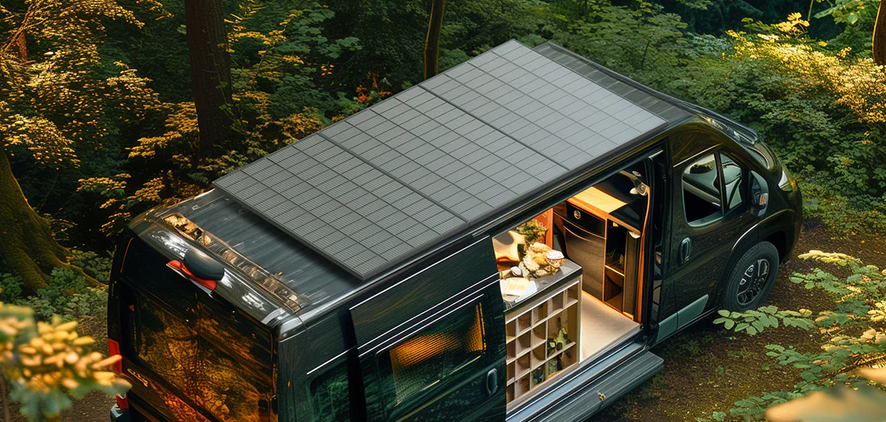
Solar energy has become a crucial part of the global transition to sustainable energy solutions. With ongoing advancements in solar technology, new and efficient designs like bifacial solar panels and RV solar panels are emerging, offering versatile options for diverse energy needs. This article delves into these innovative technologies, exploring their uses, importance, and why they are reshaping renewable energy systems.
Table of Contents
What Are Bifacial Solar Panels?
Bifacial solar panels are an advanced type of photovoltaic (PV) panel designed to capture sunlight on both sides. Unlike traditional panels, which only absorb sunlight on one surface, bifacial panels have transparent or reflective backsheets that enable them to utilize light reflected from the ground or surrounding surfaces. This dual-sided absorption increases their energy efficiency and makes them highly desirable for various installations.
Uses of Bifacial Solar Panels
- Utility-Scale Projects: Bifacial panels are ideal for large-scale solar farms where reflective surfaces, such as gravel or sand, enhance their performance.
- Commercial Installations: They are increasingly used in commercial projects to maximize energy output in limited spaces.
- Ground-Mounted Systems: By installing them at optimal angles, ground-mounted bifacial panels capture sunlight from both above and below, increasing efficiency.
- Canopy and Awning Applications: Their transparent design allows them to be used in aesthetically pleasing installations like canopies, combining functionality with modern architecture.
Importance of Bifacial Solar Panels
The unique ability of bifacial solar panels to absorb sunlight on both sides significantly boosts energy production, making them an efficient solution for maximizing power generation. Their design reduces the levelized cost of energy (LCOE), making solar projects more financially viable. Additionally, their durability and adaptability to different surfaces make them an attractive option for both urban and rural installations.
Key Benefits of Bifacial Solar Panels
- Higher Efficiency: Dual-sided absorption increases energy output compared to conventional panels.
- Durability: Many bifacial panels are built with glass on both sides, providing extra protection against environmental damage.
- Reduced Land Use: With higher energy yields, fewer panels are required to achieve the same power output, minimizing land usage.
Exploring RV Solar Panels
RV solar panels are specifically designed to meet the energy needs of recreational vehicles (RVs). As RV enthusiasts increasingly embrace off-grid adventures, the demand for reliable, portable, and efficient energy solutions has risen. RV solar panels offer a sustainable way to power appliances, lighting, and devices, ensuring a comfortable and eco-friendly travel experience.
Uses of RV Solar Panels
- Off-Grid Power: RV solar panels allow travelers to venture into remote locations without relying on external power sources.
- Battery Charging: They are often used to charge batteries that store energy for later use, ensuring power availability during cloudy days or at night.
- Sustainable Travel: By using solar energy, RV owners reduce their carbon footprint and reliance on fossil fuels.
- Portable Energy Needs: Many RV solar panels are designed to be portable, enabling travelers to move them to capture maximum sunlight.
Importance of RV Solar Panels
RV solar panels play a crucial role in promoting sustainable and self-sufficient travel. By harnessing solar energy, they eliminate the need for noisy, fuel-powered generators, providing a cleaner and quieter alternative. These panels also empower adventurers to explore off-grid locations while maintaining access to essential energy.
Key Advantages of RV Solar Panels
- Energy Independence: Travelers can enjoy off-grid locations without worrying about external power sources.
- Cost Savings: Over time, solar panels reduce the reliance on fuel-powered generators, lowering costs.
- Eco-Friendly: By reducing emissions, RV solar panels contribute to a cleaner environment.
- Convenience: Portable and easy to install, they cater to the dynamic needs of RV travelers.
Comparing Bifacial and RV Solar Panels
While bifacial solar panels and RV solar panels serve different purposes, they share a common goal of maximizing solar energy utilization. Here’s how they compare:
| Feature | Bifacial Solar Panels | RV Solar Panels |
| Primary Use | High-efficiency energy production | Off-grid power for RVs |
| Portability | Fixed installations | Portable and lightweight |
| Efficiency | Dual-sided absorption | Optimized for mobile energy needs |
| Durability | Built for harsh environmental conditions | Designed for travel and flexibility |
The Synergy Between Both Technologies
Both bifacial solar panels and RV solar panels represent innovative steps toward a more sustainable future. While bifacial panels focus on maximizing energy generation for large-scale and stationary applications, RV solar panels bring solar power to the road, empowering individuals to embrace sustainable lifestyles even in remote areas. Together, these technologies underscore the versatility and potential of solar energy.
Reasons to Embrace Solar Panels
- Energy Independence: Solar panels provide the freedom to generate clean energy, reducing dependence on traditional power sources.
- Environmental Benefits: Both bifacial and RV solar panels contribute to lowering carbon emissions, making them eco-friendly choices.
- Cost Efficiency: Over time, solar systems save on energy costs, offering long-term financial benefits.
- Versatility: From stationary installations to mobile applications, solar panels cater to a wide range of energy needs.
- Sustainability: By investing in solar technologies, individuals and businesses contribute to building a greener future.
Read Also: Riding Comfortably in Winter: The Benefits of Heated Motorcycle Gloves
Conclusion
Solar energy is transforming how we think about power generation, and innovations like bifacial solar panels and RV solar panels highlight the versatility of this renewable resource. While bifacial panels optimize energy production for large-scale and commercial purposes, RV solar panels enable sustainable, off-grid adventures for individuals on the move. By adopting these technologies, we take a meaningful step toward a cleaner, more sustainable future, where energy needs are met without compromising the planet.